All Reviews (133)

Expressing the theme of the Backrooms and repetition merely through a chorus that emphasizes repetition is not only ordinary, but it also doesn't push through with extreme repetition, playing safely within the bounds of average Vocaloid pop. It's just a mediocre track. Because music like this keeps becoming successful through music video memes, people seem to think that a song has to blow up through a music video...


The phrase "Up to Mesmerizer was fine" being treated as a given everywhere is because this song raised Vocaloid music, visuals, and derivative creations to the highest level. Overtaking "Young Girl A" to take the number one spot in views, "Mesmerizer" moved beyond a simple trend to become a song representing Vocaloid, having already proven itself through the holistic integration of sound and narrative.
The auditory sensation feels minimal. I felt that the message conveyed by the music lacked persuasiveness.
Going beyond using the subject of the Backrooms as a mere background, it used it as the core driving force behind the song's structure and sound design. It implements the properties of a repeating space through loops and maintains immersion to the very end through variations within it. The sound texture created inside perfectly engineers the tension unique to liminal spaces.



A few tracks with a Shibuya-kei feel combined with Vocaloid tones felt fresh, but the rest of the songs were just okay.
I've listened to several works that attempted digicore with Vocaloid, but this was the first album that executed it so tastefully.

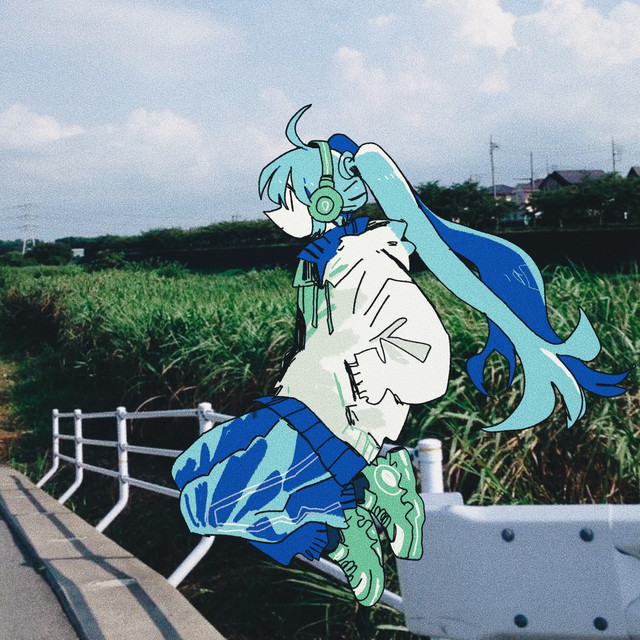
Lately, just looking at the album cover gives me goosebumps. If siinamota were still alive today, an active space for experimental music would have opened up much earlier. After all, I jumped into this scene myself after seeing the possibilities in his music. Following his last album, he achieved a wonderful evolution in terms of both genre and sound. In particular, the instrumental combinations shown in "Memory by stay" go beyond novel and are truly wondrous.
"yume no manimani," which is also the title of this album, boasts a remarkably high level of musical perfection. It features free-flowing shifts in mood, lowering tension with somewhat sorrowful, suffocating vocals and glitch elements, then raising it with 8-bit sounds.
By utilizing long instrumental passages, he successfully led natural atmosphere transitions between tracks. This strength continues throughout the album. Since many tracks are arranged versions (like "Ta-rat-tat-ta-dat"), it might get a bit tedious, but I recommend listening to it as a full album.
Recommended tracks: garakuta no elegy, LOST & FOUND, yume no manimani, Memory by stay, Human, astronote, strobe last (honestly, listening to the whole album works too)
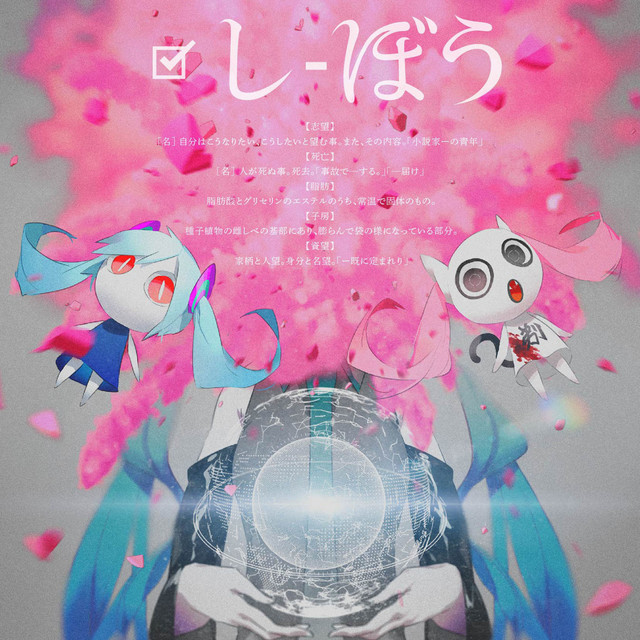
Looking at music videos in the Vocaloid scene these days, it often feels like MVs only serve to showcase cuteness. However, I think the MVs for this album all work wonderfully as elements that evoke genuine emotion. In my case, the listening experience with and without watching the MVs was completely different. PinocchioP has always been an artist who utilizes MVs well, but he seems to have reached a high point with this album. Most of the tracks have MVs with Korean subtitles, so I strongly recommend watching them while listening to the album.
I also consider the lyrics a major strength of this album. Making warm music that comforts me with creative lyrics—comparing a first encounter with a stranger to a meeting between an alien and an earthling, or expressing the frustrations of growing into an adult through negative onomatopoeia—how could I not be crazy about it?
Personally, there was one downside: filling most of the long 1-hour runtime with hectic (?) music felt a bit lacking in consideration for the listener.
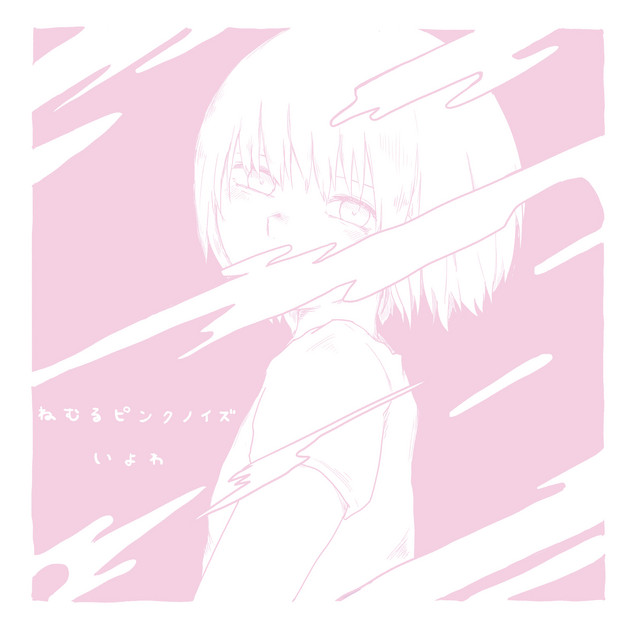

There is definitely a distinct color unique to Iyowa. I want to look positively upon their adventurous attitude at the time, taking on mixed reactions while creating packed audio and a unique atmosphere.
However, perhaps because it is a debut album, it felt like a set of similar tracks consisting only of "dissonance + esoteric structure + rushing keyboard sounds." While it was likely intentional, it seemed a bit difficult for listeners to enjoy over the long term.
I generally hold the view that the sound must first provide a stable foundation for the lyrics to be conveyed effectively. While I really love the lyrics Iyowa writes, this album felt somewhat lacking in terms of message delivery.
Seeming aware of this, Iyowa gradually began to change starting from the next album, "My Heritage," and started using a higher-quality DAW. Thanks to that, they have made significant progress sound-wise from that point up to the present.

An album with a flow that overlaps the world of vaporwave with a stark white digital world, passing through them together. Noises floating in the air... voices... Even as track after track drifts away before you know it, a strange nostalgia lingers.
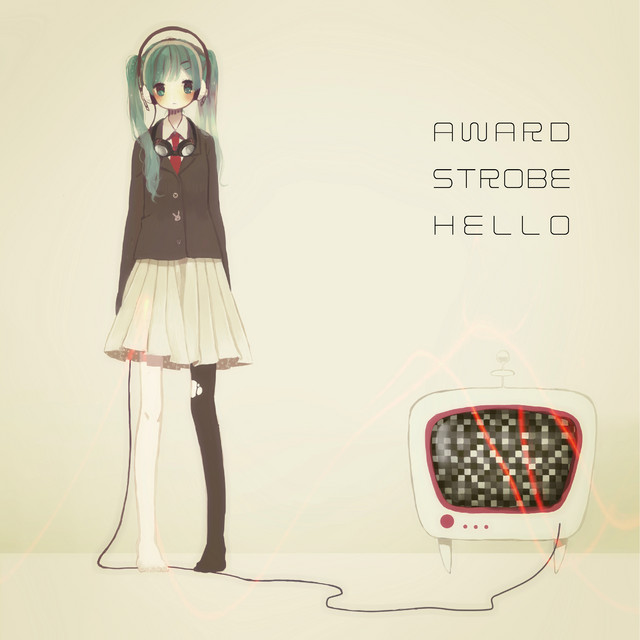
siinamota's signature vocal tuning maintains a melancholic atmosphere atop his meticulous production. The elegant melodic lines possess an addictive quality that captivates the listener without relying on artificial stimulation. The vocals are brilliantly blended into the instrumentation.
The sound is novel, but there is an aspect of excessive complexity. The frantic time signatures and pitch are Iyowa's unique strengths, but in this album, it feels like the artist lacked the experimental answers needed to resolve that chaos.
Previous
5 / 5















 oran1ge_1003